Saturday, 30 November 2013

Mangosteens.....you want the xanthones
Mangosteens
Contrary to what their name might suggest, mangosteens are not related to mangoes. Primarily grown in Southeast Asia, this fist-size fruit has a thick purple rind and a soft interior made up of white segments. The rind (or pericarp) contains compounds called xanthones, which may combat cancer and inflammation. Though the fruit itself is difficult to find in the continental United States, you can purchase mangosteen-juice products that incorporate xanthones from the rind.Cacao... heart and brain food
Cacao/Cocoa Powder
Like chocolate, cacao powder contains flavonoids, which are known to help lower blood pressure and improve blood flow to the brain and heart. With fewer than 15 calories per tablespoon and containing almost no fat, cacao provides a strong chocolate flavorWednesday, 27 November 2013
Honey....its contains more than 180 substances

Honey is much more than just a liquid sweetener. One of the oldest medicines known to man, honey has been used in the treatment of respiratory diseases, skin ulcers, wounds, urinary diseases, gastrointestinal diseases, eczema, psoriasis, and dandruff. Today, we know the validity of these timeless treatments, as research has demonstrated that honey can inhibit the growth of bacteria, yeast, fungi, and viruses.
The power of honey comes from the wide range of compounds present in the rich amber liquid. Honey contains at least 181 known substances, and its antioxidant activity stems from the phenolics, peptides, organic acids, and enzymes. Honey also contains salicylic acid, minerals, alpha-tocopherol, and oligosaccharides. Oligosaccharides increase the number of “good” bacteria in the colon, reduce levels of toxic metabolites in the intestine, help prevent constipation, and help lower cholesterol and blood pressure.
The key point to remember with honey is that its antioxidant ability can vary widely depending on the floral source of the honey and its processing. The process begins when bees feast on flowers and collect nectar in their mouths. The bees mix the nectar and enzymes in their saliva to turn it into honey, which is then stored in combs in the hive. The constant movement of the bees’ wings promotes moisture evaporation and yield the thick honey we enjoy. The phenolic content of the honey depends on the pollen that the bees have used as raw material. There’s a very simple way to determine the health benefits of any honey: its color. In general, the darker the color of the honey, the higher the level of antioxidants. There can be a twenty fold difference in honey’s antioxidant activity, as one test revealed. For example, Illinois buckwheat honey, the darkest honey tested, had twenty times the antioxidant activity of California sage honey, one of the lightest-colored honeys tested. Overall, color predicted more than sixty percent of the variation in honey’s antioxidant capacity.(superfood rx)
Dried super fruits.....just as powerful

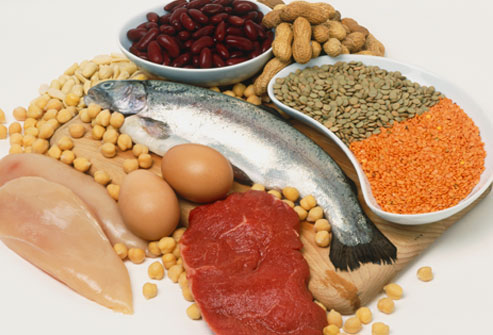
Looking for proteins..........threre is a lot to go for!
Tuesday, 26 November 2013
Duck liver ( foie gras) ... a powerhouse of all micronetrients

Duck liver, commonly called foie gras (french), is a delicacy made by force feeding cornmeal to ducks in a process known as gavage in an effort to make their livers larger and richer. This food is not without controversy, as some feel this amounts to animal cruelty. There has been some movement by cities and states to curtail both the production and sale of this food, although the American Veterinary Medical Association maintains that gavage may be performed humanely. Regardless of the controversy, duck liver offers much in the way of nutrition. Duck meat nutrition value is quite surprising. This meat houses a ton of nutrients, including a vast variety of different Minerals and Vitamins. These Minerals include Phosphorous, Selenium, Zinc, Magnesium, Manganese, and Phosphorous, Potassium, Calcium and Sodium. As for Vitamins, Duck meat contains Niacin, Riboflavin, Thiamine, Pantothenic Acid, Folate, Vitamin A, Vitamin E, Vitamin K and B Vitamins which include, B6 and B12. Duck meat is also a rich source of Protein!
Subscribe to:
Posts (Atom)